
 English
 Pусский
 Melayu
 中文

Low Carbon Prefab
Here is a 500-word English description of Low Carbon Prefab without mentioning any company name:---Low Carbon Prefab refers to a modern construction approach that combines prefabrication techniques with sustainable design principles to reduce environmental impact throughout the building process. It focuses on creating building components in controlled factory environments before transporting them to the construction site for efficient assembly. By integrating low-carbon materials, energy-saving methods, and optimized production processes, this approach helps minimize waste, lower emissions, and improve overall building performance.One of the key advantages of Low Carbon Prefab is its ability to significantly reduce material waste. In traditional construction, on-site cutting, measuring, and adjustments often lead to excess material use and disposal. Prefabrication, however, allows components to be manufactured with precision, resulting in more accurate resource planning and less waste generation. This not only supports environmental goals but also improves cost efficiency and project management.Another important feature is the reduction in carbon emissions. Since much of the construction work is completed in a factory, there is less need for prolonged on-site activity, heavy machinery use, and transportation of raw materials. The streamlined process also shortens construction time, which further lowers energy consumption. In addition, low-carbon prefab designs often include insulation systems, energy-efficient windows, renewable energy integration, and smart building technologies that help reduce operational emissions over the building’s lifespan.Low Carbon Prefab also promotes the use of sustainable materials. These may include recycled steel, engineered wood, low-emission concrete, and other environmentally responsible products. Material selection is crucial because it affects both the embodied carbon of the building and its long-term ecological footprint. By choosing materials with lower environmental impact, builders can create structures that are durable, efficient, and more aligned with green building standards.The prefabrication process offers additional benefits such as improved quality control, better worker safety, and less noise and pollution at the construction site. Factory settings allow for more consistent production conditions and stricter inspection standards, which often lead to higher-quality building components. At the same time, reduced on-site activity minimizes disruption to surrounding communities and ecosystems.Low Carbon Prefab is suitable for many types of projects, including residential homes, office buildings, schools, healthcare facilities, and temporary structures. Its flexibility makes it a practical solution for both urban and remote environments. As the demand for sustainable development continues to grow, this building method is becoming increasingly important in the transition toward a low-carbon future.In summary, Low Carbon Prefab represents a smart and responsible way to build. It combines efficiency, sustainability, and innovation to deliver structures that are environmentally friendly, cost-effective, and adaptable to modern needs. By reducing waste, cutting emissions, and supporting cleaner construction practices, it plays a valuable role in shaping a greener built environment.---If you want, I can also make it more promotional, more technical, or more suitable for a website homepage.
نتاج
تصنيف:
-
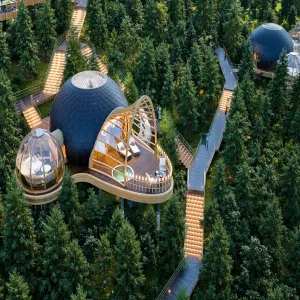
Haruki
تصنيفها: أسلوب عصري بسيطالمشاهدات: 107عدد:وقت الإصدار: 2026-10-19 20:02:19Low-profile 1BR 1BA spacious villa (72.4㎡), for premium leisure stays.
أخبار
تصنيف:
-
[Meishu Blog]Sustainability in Prefab Construction: Zero Waste, Low Carbo...
2026-10-11 07:37:58
حالة
تصنيف:
لا توجد نتائج بحث!
فيديو
تصنيف:
لا توجد نتائج بحث!
تحميل
تصنيف:
لا توجد نتائج بحث!
تجنيد
تصنيف:
لا توجد نتائج بحث!
المنتجات الموصى بها
لا توجد نتائج بحث!



 هاتف